What to Expect During a Home Inspection — Your Guide from Approved Mortgage
Nov 10, 2025Buying a home is one of the biggest financial decisions many people make — and a home inspection plays a critical role in making sure that decision is the right one. At Approved Mortgage, we encourage every buyer to embrace the inspection process as a key step toward informed, confident homeownership.
What is a Home Inspection?
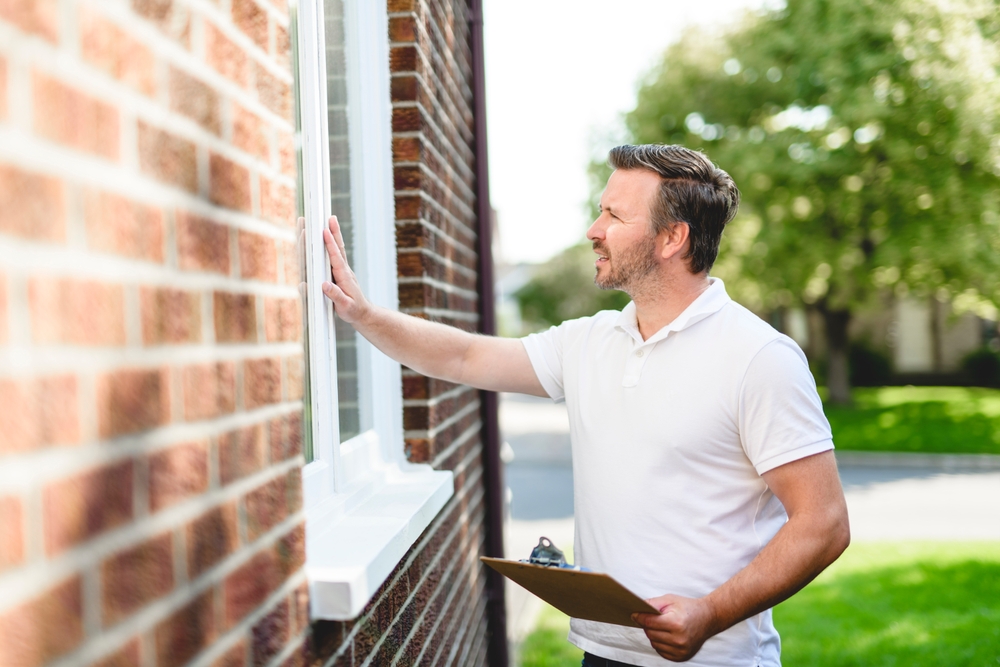
A home inspection is a detailed, visual examination of a property’s visible structure and major systems before the sale closes. It’s not the same as an appraisal (which assesses value), but rather a thorough check to ensure the home is safe, functional, and free from hidden issues.
Inspectors will typically look at:
- The home’s structural components — foundation, walls, ceilings, floors.
- Roof, gutters, and exterior surfaces — to check for damage, leaks, or drainage issues.
- Major systems: HVAC, plumbing, and electrical — making sure your heating, cooling, pipes, wiring, and outlets are in proper working order.
- If applicable: Attic, crawl space, basement, and insulation/ventilation — especially important for older homes.
How Long Does It Take?
Most home inspections take about 2 to 4 hours, though larger or older homes (or ones with more complex systems) might take longer. Once completed, you’ll typically receive a detailed written report within a few days.
Why You Should Attend (If You Can)
We highly recommend that buyers be present during the inspection. This gives you the chance to:
- See firsthand what the inspector identifies as issues — not just read about them later.
- Ask questions on the spot — about wiring, ventilation, maintenance, or future costs.
- Get a real feel for your new home — where main systems are located, what to watch for, and how to care for the house going forward.
What Happens After the Inspection — and How It Affects Your Loan
Once you receive the report:
- Review all findings carefully. Focus less on minor cosmetic issues, and more on safety or structural concerns (foundation, roof, wiring, HVAC, drainage, etc.).
- If major problems are found, you and your real estate agent may decide to renegotiate with the seller, request repairs, or — in rare cases — withdraw your offer (if your contract includes an inspection contingency).
- Your loan timeline might shift slightly — but having a clear, honest inspection report gives you peace of mind and helps avoid costly surprises down the road.
Importantly, a home inspection is not pass/fail. It simply gives you an honest snapshot of the home’s condition. Many issues uncovered are minor or expected for older houses — and can be planned for.
Tips from Approved Mortgage: How to Get the Most Out of Your Inspection
- Choose a licensed, experienced home inspector — ideally one recommended by your real estate agent or local homebuyer network.
- Be there for the inspection walk-through, take notes, photos, and ask questions.
- Review the report carefully before waiving contingencies or proceeding with closing.
- Use the inspection findings to plan future maintenance or upgrade budgets.
Ready to Take the Next Step?
At Approved Mortgage, we’re here to guide you through pre-approval, home inspection, and closing — making the mortgage process as smooth as possible. If you’re house hunting or about to submit an offer, reach out to us to discuss your financing options and make sure you’re fully prepared for inspection day and beyond.
Contact us today or start your application online — let’s get you closer to the home you want, with confidence and clarity.